What to Pack for a Kitesurf Trip to Vietnam
Vietnam Surf Camp HUB
In this guide
What to Wear for Kitesurfing in VietnamWater ShoesSun ProtectionShould You Bring Your Own Kitesurf Equipment?Helmet, Impact VestWhat Clothes Do You Need Off the Water?A Few Small Things That Make Life Easier8. Documents, Insurance and Money9. What About the Weather?10. What You Can Leave at HomeQuick Kitesurf Trip Packing ChecklistPlanning a kitesurf trip to Vietnam? Before you start filling your bag with boardshorts and sunscreen, there are a few things worth knowing about the local conditions.
Vietnam is warm, but that doesn't mean you'll spend every session in a bikini or boardshorts. The wind can be strong, the sun is intense, and depending on where you're going, you might spend several hours a day standing in shallow water.
We've been welcoming kitesurfers to Vietnam Surf Camp in My Hoa Lagoon, Phan Rang, for years. Some arrive with three enormous board bags. Others show up with a backpack and a pair of sunglasses.
Both can work.
Here's what we recommend packing for a kitesurf holiday in Vietnam, especially if you're visiting during the main windy season from November to April.
What to Wear for Kitesurfing in Vietnam
Let's start with the question we hear all the time: do you need a wetsuit?
The answer depends on the month, the weather, and how easily you get cold.
Vietnam is tropical, and the water is generally warm. But in Phan Rang, the northeast monsoon can bring strong wind for several days in a row. Add a cloudy morning or a long session, and you might feel colder than expected.
For most people, we'd suggest bringing:
- A long-sleeve UV rash guard
- Boardshorts or comfortable swimwear
- A 1–2 mm neoprene top or shorty
- A lightweight full wetsuit if you get cold easily
- A spare set of swimwear for the afternoon session
A thick winter wetsuit isn't necessary for normal kitesurfing conditions in southern Vietnam.
If you're travelling in December or January and planning to spend four or five hours on the water, a little extra neoprene can make your day much more comfortable.
And don't underestimate a long-sleeve rash guard. You'll probably wear it more often than you think.
Water Shoes
If there's one thing we'd tell every kitesurfer to pack for My Hoa Lagoon, it's proper water shoes.
The lagoon is shallow, which makes it a great place for learning and improving your skills. But there are also stones and uneven areas under the water.
You won't always see what's beneath your feet, especially when you're concentrating on your kite.
Bring neoprene booties or water shoes with a reasonably sturdy sole. Thin beach socks aren't the same thing.
Make sure they fit properly. Shoes that fill with water or slip off your heels become annoying very quickly.
Even experienced riders who normally prefer going barefoot may appreciate having them here.
Sun Protection
The Vietnamese sun is unbeliveable strong.
You can spend an entire morning on the water without feeling particularly hot because the wind keeps you cool. Then you get back to the beach and realise your legs, hands or face are completely sunburned.
For a kitesurf trip, pack:
- Water-resistant SPF 50 sunscreen
- Zinc sunscreen for your nose, cheeks and lips
- SPF lip balm
- A cap or wide-brimmed hat for time on the beach
- Sunglasses with UV protection
- A long-sleeve with UV protection
Apply sunscreen before heading to the beach and reapply it according to the product instructions, especially after swimming or drying off.
One small tip: don't forget the backs of your hands and your feet. They get plenty of sun while you're riding.
And bring a good moisturiser or after-sun lotion. Salt water, wind and sunshine can leave your skin surprisingly dry.
Should You Bring Your Own Kitesurf Equipment?
This depends on how long you're staying, how much you want to travel around Vietnam and whether you prefer riding your own gear.
If you're coming for a dedicated kitesurf holiday and already have equipment you love, bringing it makes sense.
But if you're combining kitesurfing with a longer trip around Vietnam, travelling with a large board bag isn't always convenient.
At Vietnam Surf Camp, we offer kitesurf equipment rental, so you don't necessarily need to bring a full setup.
If you're planning to rent, it's a good idea to arrange your equipment in advance, particularly during the busiest months.
If you're bringing your own gear
Here's a practical packing checklist:
- Kites suitable for the expected wind conditions
- Kite bar
- Board
- Harness
- Leash
- Pump adapter, if your kite requires one
- Spare fins and fin screws
- Small repair kit
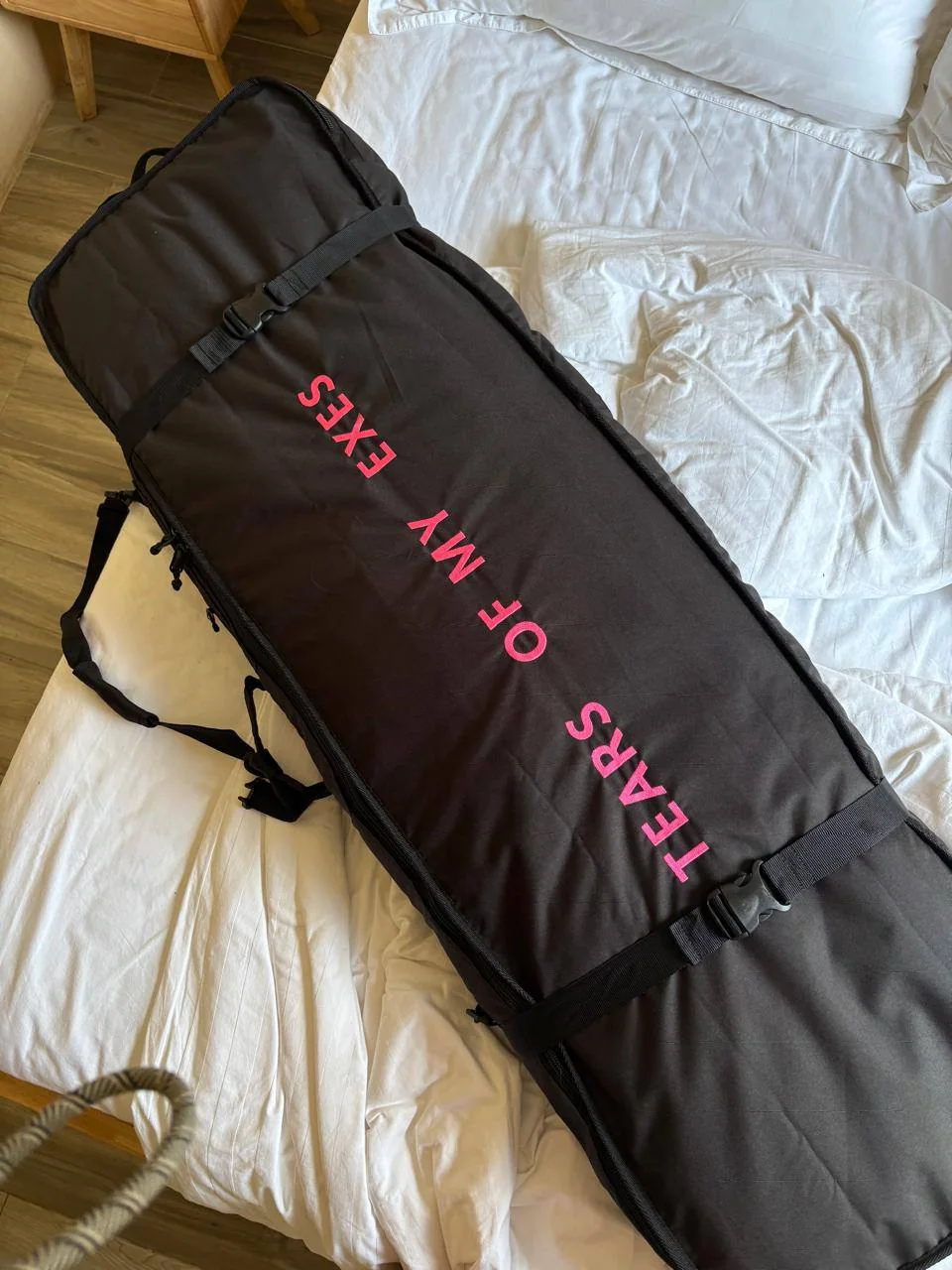
- Board bag with decent padding
You don't need to bring every spare part you own. But a few extra screws, a replacement valve or a small repair kit can save a session.
Check your airline's sports equipment policy before booking. Weight limits, oversized baggage fees and rules for kiteboards vary between airlines.
If you're taking domestic flights in Vietnam, check those baggage conditions separately. Don't assume the rules will be the same as on your international flight.
What kite sizes should you bring to Phan Rang?
Phan Rang is known for strong northeast monsoon winds, particularly from November to March.
Smaller kites are often useful here, but there isn't one perfect combination for everyone.
Your ideal sizes depend on your weight, board, riding style and the actual forecast.
If you're unsure, contact us before your trip. We'd rather help you choose what to bring than see you arrive with a bag full of kites you won't use.
Helmet, Impact Vest
Over the years, watching riders of all levels in our lagoon, we've come to one simple conclusion: it's better to wear a helmet than to ride without one. It's not mandatory, but we strongly recommend it. We also recommend wearing a life jacket for extra safety.
If you're coming to Vietnam Surf Camp to learn kitesurfing, there's no need to bring either. Helmets and life jackets are included in the price of our lessons.
What Clothes Do You Need Off the Water?
You really don't need much.
Life around a kitesurf spot is casual. Most days you'll move between the beach, the restaurant and your accommodation.
A few T-shirts, shorts, sandals and something comfortable for the evening will do the job.
However, bring one lightweight hoodie or windbreaker.
After a full day in the wind, evenings can feel surprisingly cool, especially in December and January.
We'd pack:
- A few T-shirts or tank tops
- Shorts and lightweight trousers
- Sandals or flip-flops
- Comfortable trainers
- A hoodie or light jacket
- A few sets of underwear
- One casual outfit for going out
- A light rain jacket if you're travelling around Vietnam
Don't fill your suitcase with clothes you might wear once.
Laundry services are easy to find in Vietnam, so packing light is usually the better option.
A Few Small Things That Make Life Easier
These aren't the exciting things to pack, but they're often the most useful.
Reusable water bottle
You'll drink more water than usual after long sessions in the sun and wind.
Electrolytes
Useful after a sweaty day, particularly if you're riding for several hours. Choose whatever brand or formula works for you.
Dry bag
Great for protecting your phone, wallet and spare clothes from sand and water.
Waterproof phone pouch
Handy for boat trips, beach days and travelling around Vietnam. Don't rely on it as your only protection for valuable electronics.
Basic first-aid kit
Bring plasters, antihistamine, antiseptic, any personal medication and a few things for minor cuts or blisters.
Insect repellent
You'll probably appreciate it in the evenings.
Travel adapter and power bank
Vietnam commonly uses 220V electricity. Plug types vary, so a universal adapter is useful.
And yes, bring your camera if you like taking photos. Phan Rang has some beautiful light, especially early in the morning and around sunset.
8. Documents, Insurance and Money
Before leaving home, make sure you have:
- A passport valid for your trip
- The appropriate Vietnamese visa or visa exemption
- Travel insurance that covers kitesurfing
- Copies of important travel documents
- Your accommodation booking details
- A payment card and some Vietnamese dong
Pay particular attention to your insurance.
Not every standard travel insurance policy covers kitesurfing. Some exclude certain activities, equipment damage or incidents outside supervised lessons.
Check the conditions before you travel, not after something happens.
If you're planning to rent a motorbike in Vietnam, remember that you may need a valid motorcycle licence and an international driving permit recognised in Vietnam. Renting a scooter doesn't automatically mean you're legally allowed to ride it.
9. What About the Weather?
The main kitesurfing season in Phan Rang generally runs from November to April, with the most reliable windy period usually between December and March.
November can still bring rain, particularly early in the month. April is more variable as the season comes to an end.
During the main season, the northeast monsoon creates the strong winds that make this part of Vietnam so attractive to kitesurfers.
At My Hoa Lagoon, water depth also depends on the tides.
That's something worth remembering when planning your sessions. Even on a windy day, the best time to get on the water may depend on having enough water in the lagoon.
You don't need to pack for cold weather, but you should be prepared for strong wind, plenty of sunshine and the occasional rainy day.
10. What You Can Leave at Home
There's no prize for bringing the heaviest suitcase.
Unless you have specific plans, you can probably leave behind:
- Thick winter wetsuits
- Heavy jackets
- Several pairs of shoes
- Too many evening outfits
- Large bottles of toiletries
- Every kite accessory you've ever bought
Most everyday essentials are available in Vietnam.
The things worth prioritising are the items that fit you personally: your favourite harness, comfortable water shoes, reliable sun protection and any specialised equipment you depend on.
Quick Kitesurf Trip Packing Checklist
If you're packing at the last minute, here's the short version.
For the water
- Swimwear and boardshorts
- Long-sleeve rash guard
- Light neoprene top or shorty
- Water shoes
- Helmet and impact vest, if you use them
- Harness and personal equipment, if bringing your own gear
For sun protection
- SPF 50+ sunscreen
- Zinc sunscreen
- SPF lip balm
- Sunglasses
- Hat
For everyday life
- Lightweight clothes
- Hoodie or windbreaker
- Sandals
- Trainers
- Reusable water bottle
- Electrolytes
- Dry bag
- Insect repellent
Travel essentials
- Passport and visa documents